Maintenance gets harder to coordinate when service schedules, inspections, asset usage, and repair records exist separately. We bring those workflows together in one equipment maintenance software platform, so your team can stay ahead of service needs, reduce unplanned downtime and make better scheduling decisions.
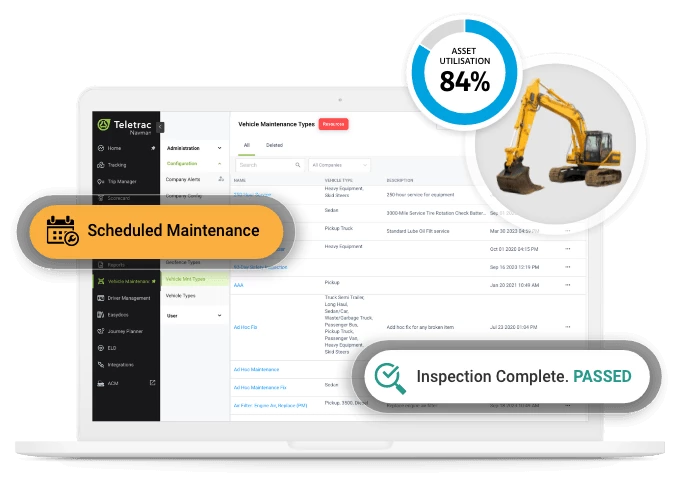

A maintenance platform should make the operation easier to run, not just give you another dashboard to check. The TN360 ACM platform helps teams connect service schedules, inspections, work orders, asset history, and utilisation data so maintenance can support stronger uptime, cleaner workflows, and better cost decisions from the field to the back office.
Build Your Solution
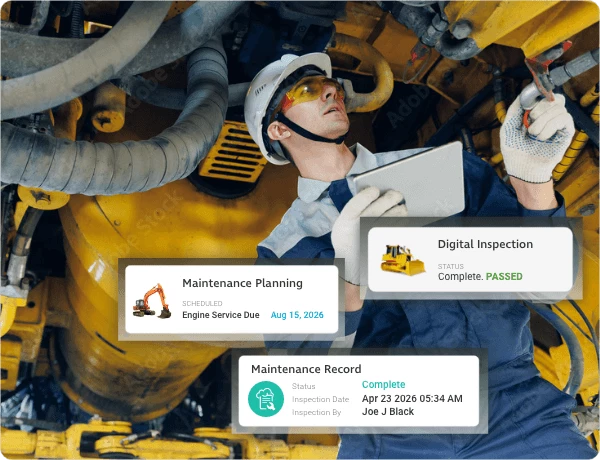
Our equipment maintenance software provides teams with the visibility to act earlier and plan schedules with confidence, ensuring that small problems don't become larger disruptions.
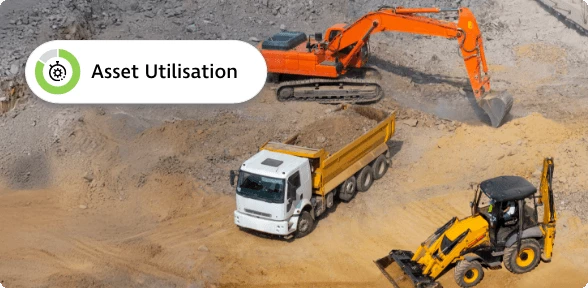
Maintenance becomes more effective when teams can run preventative schedules that reduce onsite maintenance that cause project delays. In our Equipment Utilisation Report 56% of fleet operators highlighted that equipment waiting for maintenance was the top reason for hoarding, underlining the impact of effective preventative schedules on utilisation.
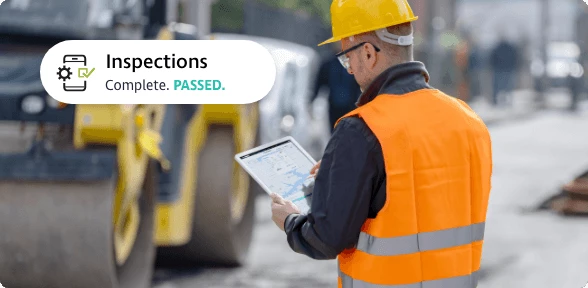
Manual maintenance processes create delays, duplicate entry, and incomplete records. Digitised workflows help your team capture information once, route it faster, and reduce the errors that often come with paper forms and disconnected processes.
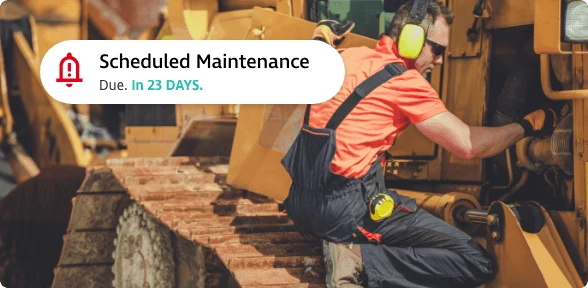
Assets last longer when service happens consistently and problems are identified earlier. Better visibility into maintenance history, usage patterns, and recurring issues helps your team protect equipment condition over time.
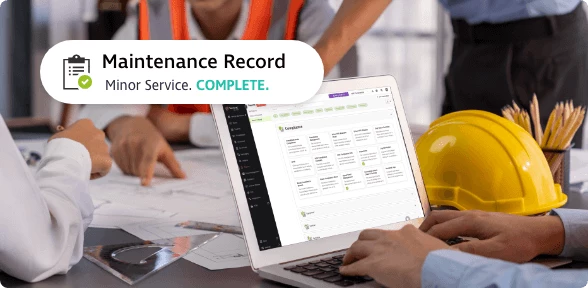
Maintenance records, inspections, and operator-related information all contribute to a more organised compliance process. When those records are centralised, it becomes easier to prepare for audits and confirm that required activity happened when it should have.
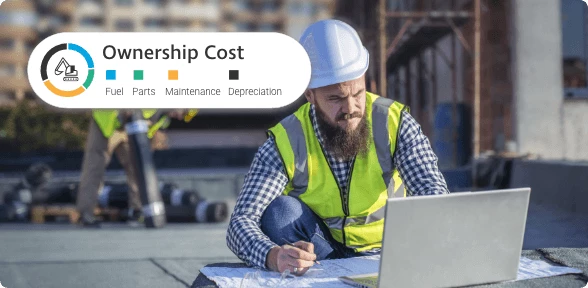
Maintenance gaps often create costs beyond the repair itself. With 27% of fleets frequently renting equipment due to downtime, better service visibility can help reduce rental reliance, downtime pressure, and avoidable operating costs.
The single source of truth for equipment maintenance, improving scheduling decisions and availability so your jobsites can keep on moving forward, without the cost of unnecessary rentals.
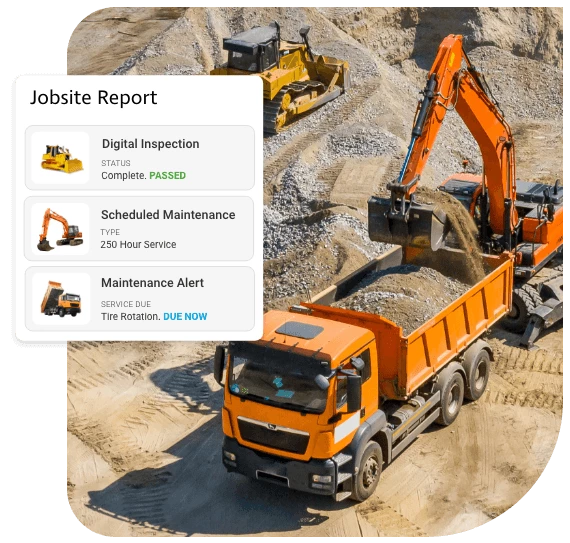
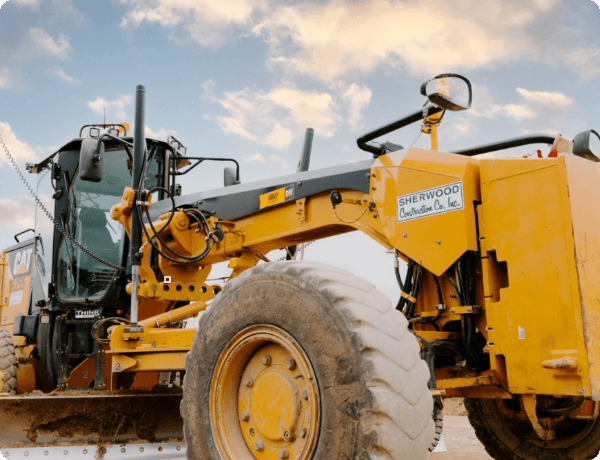
Heavy construction equipment carries the highest operational risk, with a single machine affecting crew productivity, project sequencing, and jobsite output. Maintenance teams need visibility into engine hours, fault codes, inspection failures, downtime events, and repeated repair patterns so maintenance can be planned around actual use. This gives equipment managers a stronger foundation for prioritising work on excavators, loaders, dozers, graders and other high value assets. When equipment maintenance software connects service visibility with asset usage and jobsite context, teams can prioritise work more effectively and reduce disruption where it hurts most.
Build Your Solution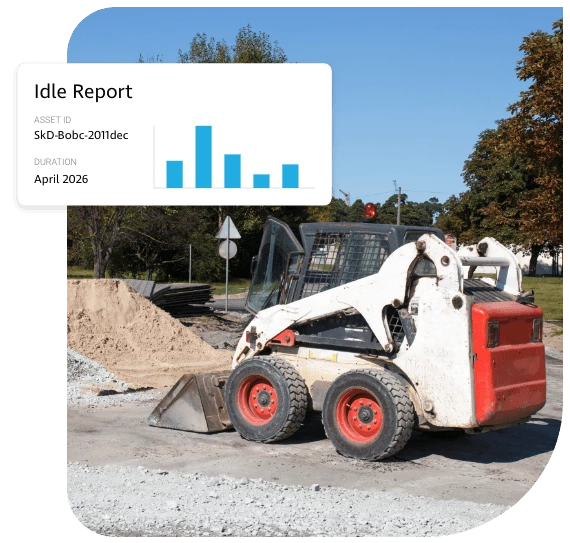
Skid steers, compact track loaders, mini excavators, and similar machines still need maintenance schedules, inspection records, fault visibility, and utilisation tracking to stay ready for daily work. A connected maintenance process helps teams see when compact assets are being used heavily, sitting idle, or returning with recurring issues. That makes it easier to plan maintenance, control repair costs, and keep equipment available where it’s needed.
Build Your Solution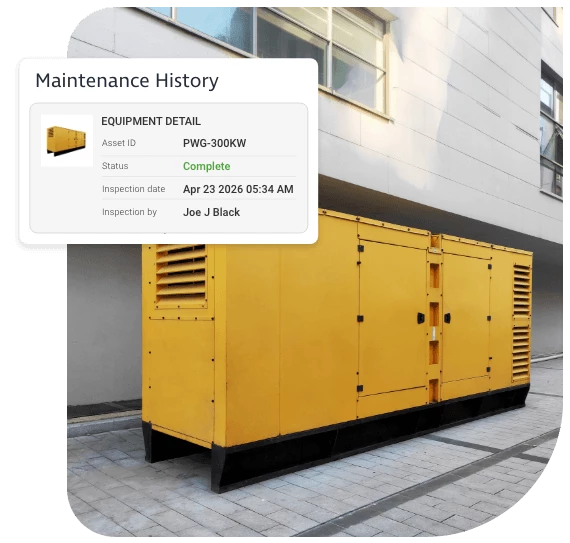
Non-mobile plant may not move between jobsites as often, but maintenance visibility is still critical. Generators, compressors, crushers, screeners, and other site-based assets can create delays when service needs are missed or records are inaccessible. Equipment maintenance software helps teams keep schedules, inspection results, service records, and downtime history connected to each asset, making it easier to maintain an accurate view of condition, cost, and readiness, even when the equipment’s location is more stable than the work around it.
Build Your Solution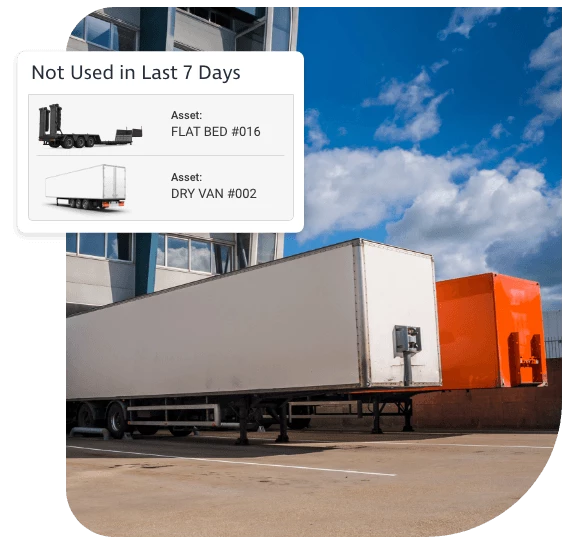
Unpowered assets still need to be inspected, tracked, and managed throughout their lifecycle. Trailers, attachments, containers, tanks, and other non-powered assets may not generate engine-hour or fault-code data, but they can still create cost, availability, and compliance challenges when condition or location is unclear. For these assets, maintenance visibility depends on inspection workflows, asset history, location data, usage context, and documented repairs. Keeping those records centralised gives teams a better way to manage availability, reduce avoidable downtime, and make replacement decisions with more confidence.
Build Your SolutionEquipment Maintenance Insights
Equipment operators have spoken, and in our Mobilising the Future of Fleets Reports we uncover the challenges of equipment maintenance and the impact it can have on utilisation, availability and cost control. Some of the key findings include:
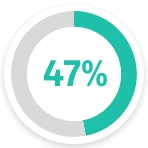
47% of equipment operators report they struggled to keep to maintenance schedules
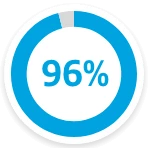
96% of equipment operators face challenges that impact total cost of ownership
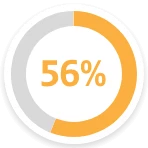
56% of operators experience hoarding due to equipment waiting on-site for maintenance

Preventative Maintenance Schedules
Automate maintenance schedules using engine hours or time intervals

Equipment Maintenance Tracking
Digital records of maintenance work-orders
Equipment Inspections
Automate pre-use and scheduled inspections
Total Cost of Ownership
Track ownership cost and make informed replacement decisions

Fault Codes & Engine Diagnostics
Capture fault code data and address problems quickly

Powerful Integrations
Over 85 that centralise visibility
Equipment Maintenance Integrations
Our equipment maintenance integrations bring data into your worshop tools, so teams can reduce duplicate work and make maintenance decisions with the complete picture.
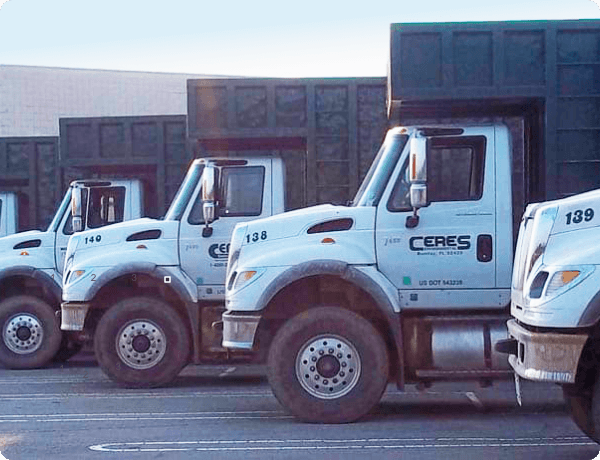
Software alone doesn’t solve maintenance challenges. It has to fit the way your fleet, jobsites, and teams already work. We give you a single platform that can support mixed asset environments across trucks, trailers, heavy equipment, and other field assets, so your maintenance process can stay connected.
You also get access to a team that understands connected mobility, telematics, and the operational side of maintenance management. From implementation through long-term optimisation, we help businesses build a solution that can scale as workflows become more complex.
Equipment maintenance software helps businesses schedule service, track maintenance history, manage inspections, and monitor the costs tied to keeping assets operational. In practice, it gives maintenance teams a more organised way to oversee preventive work, repairs, and asset conditions across the fleet.
It can. When service schedules, alerts, inspection data, and equipment health information are easier to manage, teams can act on issues sooner and avoid some of the breakdowns that cause unplanned downtime.
Preventive maintenance helps identify wear, damage, and service needs before they create bigger operational or safety issues. It also supports safer equipment use by making sure inspections, service intervals, and corrective actions happen on a consistent schedule.
Yes. Digital inspections can be configured around the asset type, workflow, and failure points your team needs to monitor. That helps operators complete relevant checks in the field while giving managers more usable inspection data.
Operator-related tracking can include licenses, required training, internal activities, safety-related records, and other events that matter to your operation. That creates a more complete view of operator readiness alongside maintenance and inspection processes.
Alerts can be tied to preventive service timing, fault codes, inspection failures, usage thresholds, and other maintenance-related triggers. The goal is to help your team respond faster without relying on manual follow-up.
The cost for equipment maintenance software varies based on your fleets hardware, feature and integration requirements. Teletrac Navman works with you to develop a solution that aligns with your goals bringing together the hardware and feature sets that will add most value.